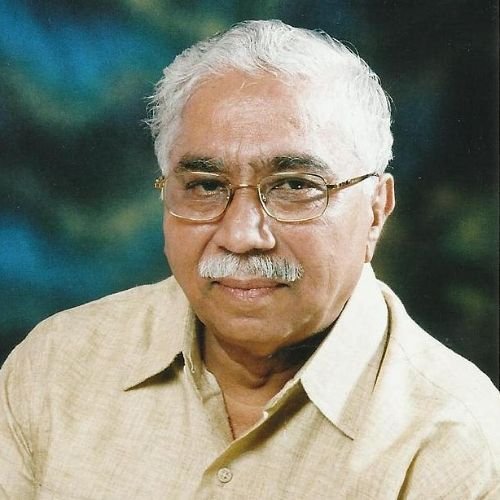
The Voice of the Voiceless:
Shri S. Bangarappa
Champion of the Backward Classes, Pioneer of Rural Welfare, and the 12th Chief Minister of Karnataka whose fearless socialist conviction reshaped our state's destiny.
A lifelong crusade for social justice begins with the father and lives on through the son. The historic vision inspiring today’s Education Guarantees.
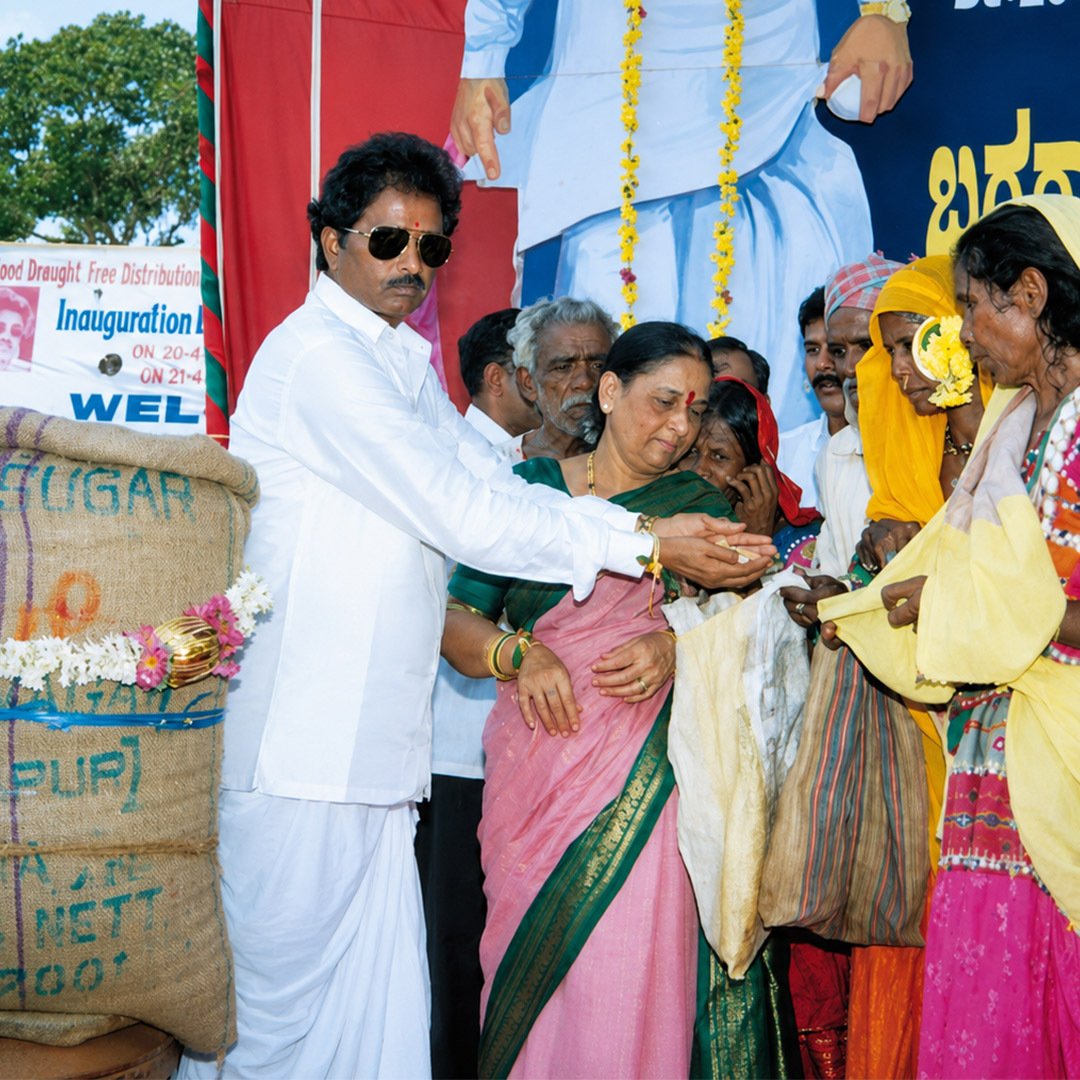
An Incorruptible Spirit of the Soil
Rebel Beginnings
Born in Kubatur, Soraba. Entered public service driven by deep socialist ideals shaped by Ram Manohar Lohia and Shantaveri Gopalagowda.
Cultural Maestro
An artist at heart. A trained classical Hindustani musician and an avid sports lover, matching sharp political maneuvering with cultural grace.
Samaja Nyaya
Dedicated his political framework completely to structural *Social Justice*, breaking ancient structural monopolies for backward classes.
Milestones of a Statesman
Born in Kubatur
Born into an agrarian family in Shimoga District, grounding his early perspectives on rural deprivation.
Entry into Legislative Assembly
Elected from Soraba constituency representing the Socialist Party, instantly marking his presence as a fiery orator.
Minister for Public Works
Assumed the PWD portfolio, setting up crucial state master plans to scale essential rural highway networks.
12th Chief Minister of Karnataka
A golden era of welfare governance. Executed landmark pro-poor policies that secured universal housing and village economic safety lines.
Transition to National Politics
Elected to the Lok Sabha from Shimoga, expanding his advocacy for back-tier community representation at the federal level.
Monumental Welfare Benchmarks
A deep look into the structural, path-breaking state directives that altered the socio-economic fabric of rural Karnataka.
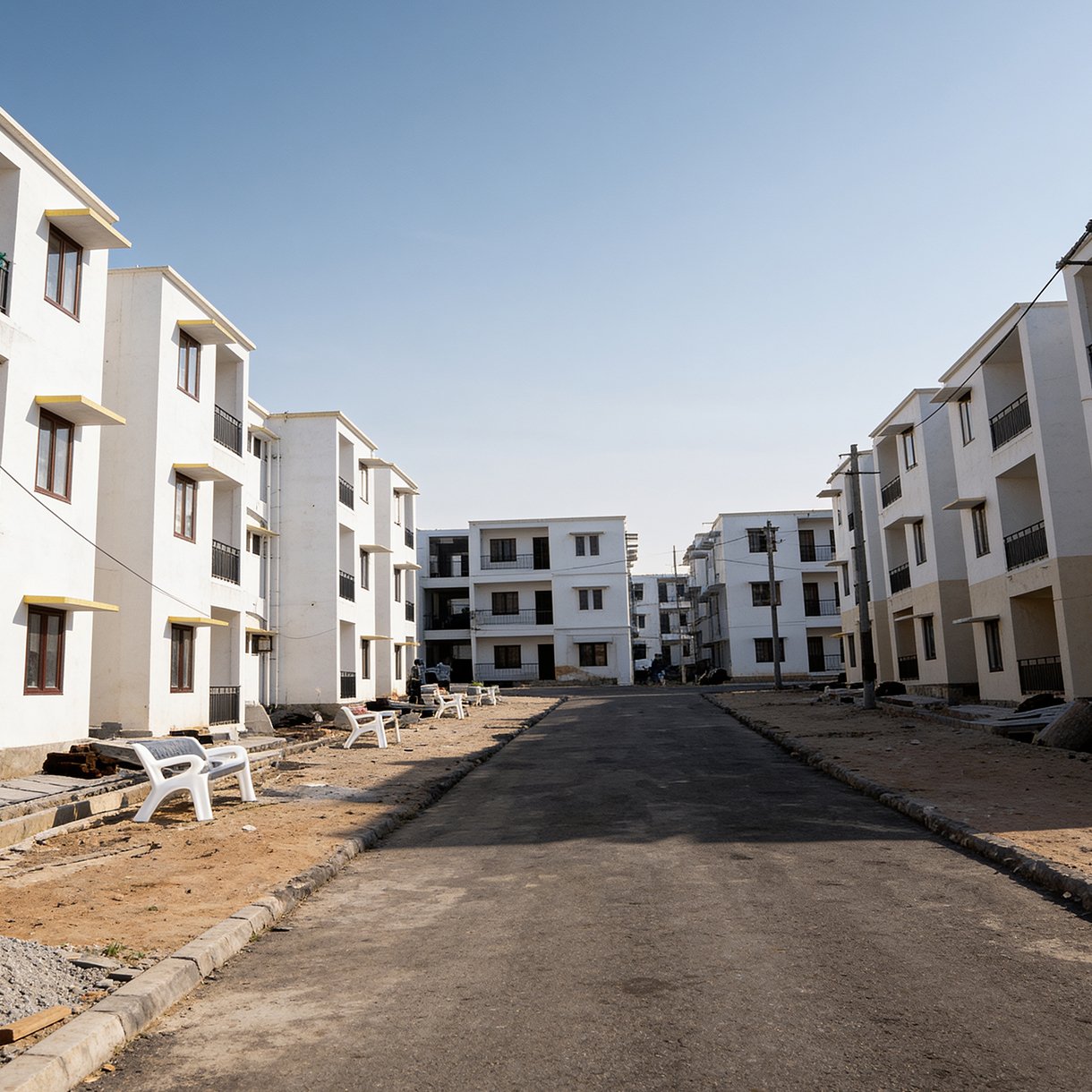
Ashraya Scheme
The definitive rural housing security framework that systematically transferred land equity to the absolute last mile.
Prior to this intervention, hundreds of thousands of agricultural laborers and backward class communities lived in highly vulnerable, temporary thatched setups without legal land ownership. S. Bangarappa established a dedicated state-backed housing board to aggressively identify public lands, partition them into legal municipal plots, and build permanent, concrete structural shelters.
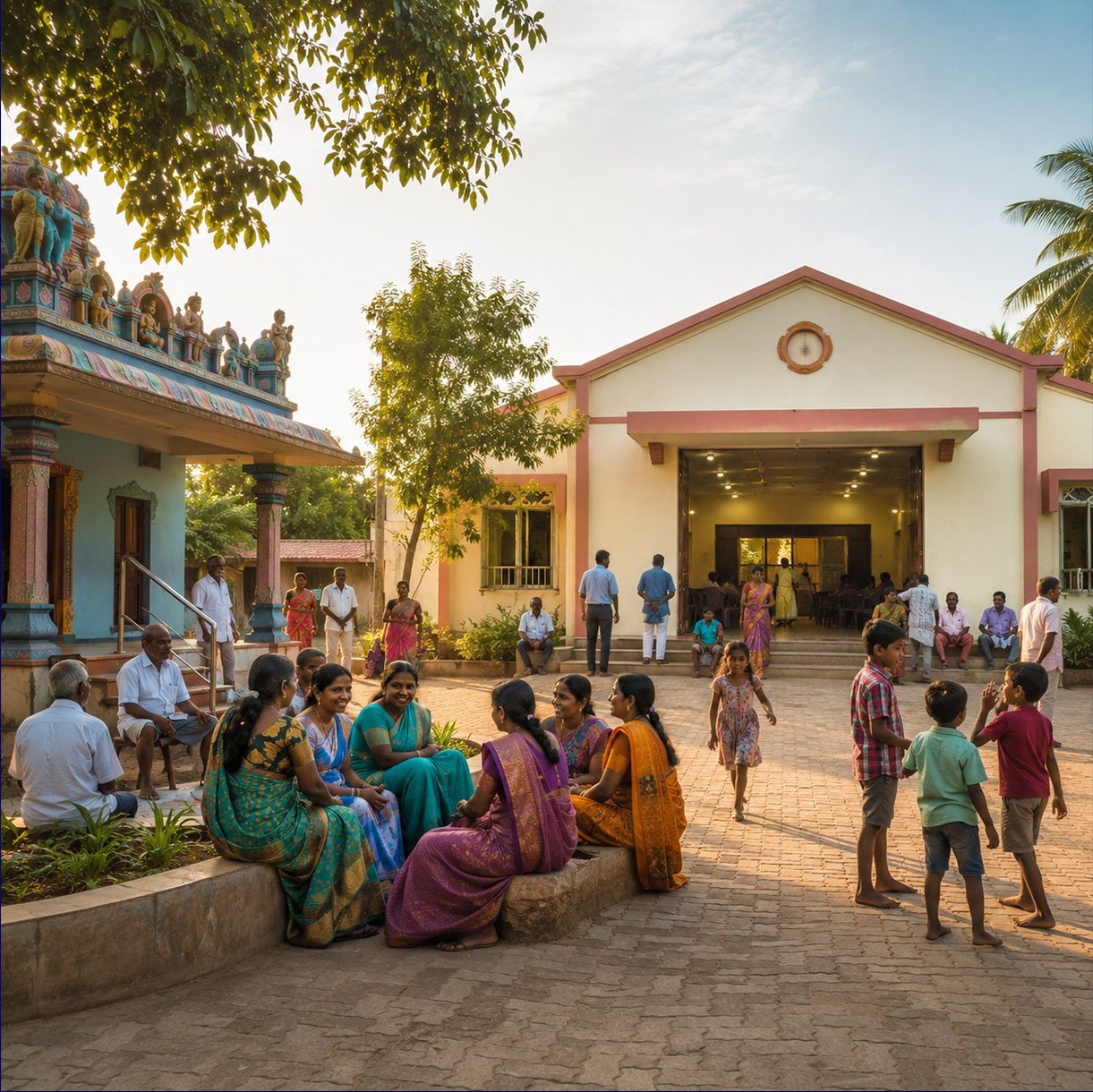
Aradhana Scheme
Restoring cultural equity and structural dignity to historically marginalized neighborhoods.
Recognizing that historical deprivation extended deep into community spaces, the Aradhana Scheme allocated targeted state funding blueprints explicitly toward the repair, restoration, and new construction of community halls and places of worship in areas dominated by Scheduled Castes, Scheduled Tribes, and minor backward class settlements. This program dismantled age-old spatial segregation lines by ensuring these neighborhoods possessed robust, dignified community infrastructure.
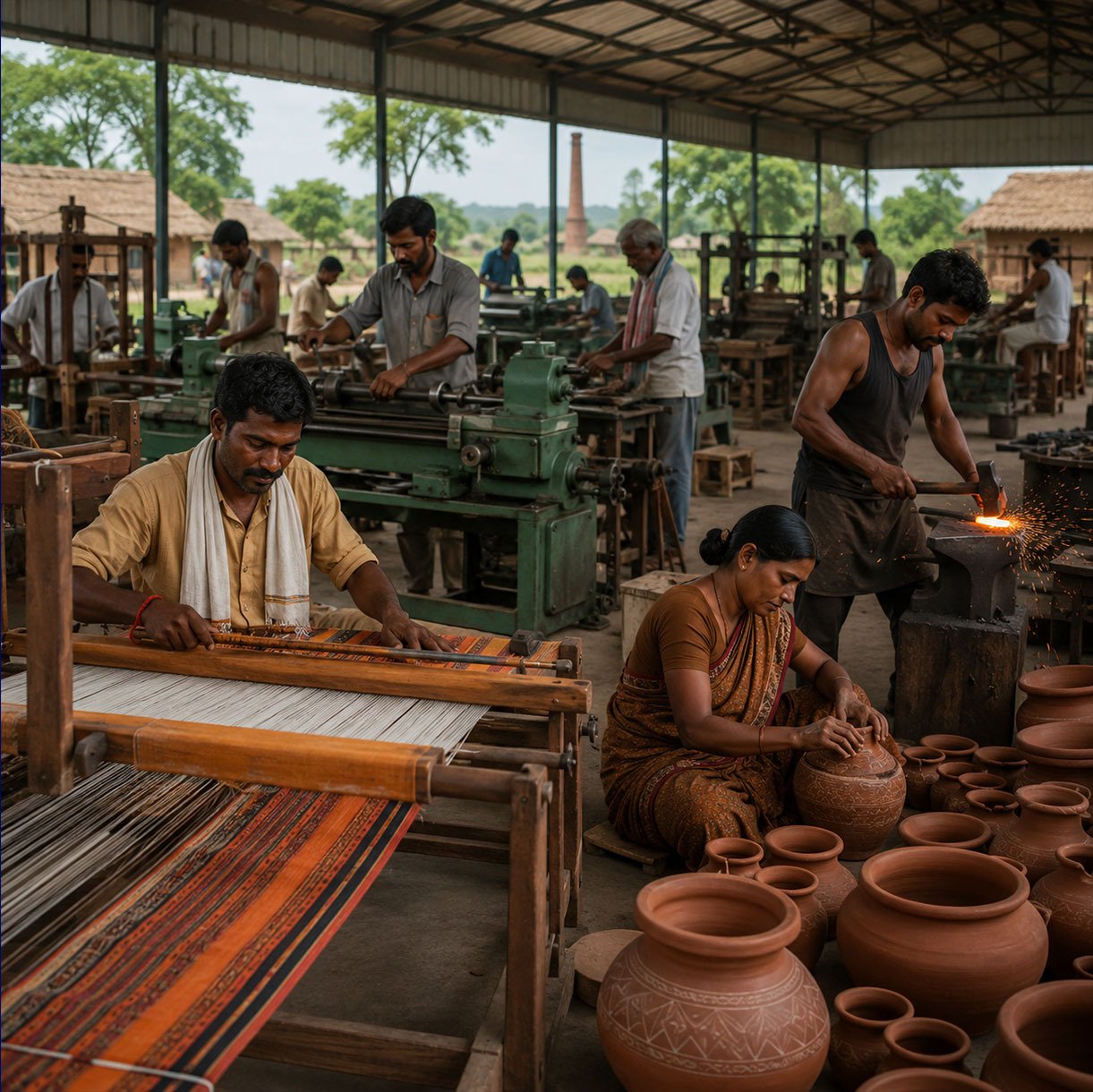
Vishwa Scheme
A massive rural industrialization matrix built to liberate traditional artisans from exploitation.
The Vishwa Scheme was a pioneering macro-economic incubator framework targeted at rural weavers, blacksmiths, potters, and traditional craftsmen. Rather than providing mere seasonal subsidies, the policy integrated low-interest credit lines from state institutions, supplied modern technical equipment packages to upgrade productivity, and established reliable government procurement and market-linkage networks.

Ganga Kalyana Scheme
Democratizing water access to secure agricultural self-reliance.
To break the dependency of small and marginal farmers on erratic monsoons and predatory private water sellers, S. Bangarappa introduced this landmark infrastructure layout. Under this scheme, the state entirely funded the drilling of open wells and deep borewells, installed heavy-duty irrigation pump sets, and laid down lift irrigation channels exclusively on fields owned by economically backward and minority agriculturalists.

Free Power Mandate
Insulating the rural agrarian economy from compound debt cycles.
In a bold move that set a major precedent across the nation, S. Bangarappa’s administration authorized heavily subsidized and free electricity grids for agricultural irrigation pump sets up to 10 HP. By stripping away recurring power tariff bills from small-scale farming calculations, the state effectively reduced overhead operating costs and safeguarded millions of households from getting trapped in severe local credit loops during years of low rainfall.
The Legacy Lives On[cite: 1]
Tracing how the foundational values of S. Bangarappa directly inform the modern governance frameworks executed by Madhu Bangarappa.[cite: 1]
Believed true state sovereignty rests on providing concrete immediate necessities—housing, safety assets, and regional cultural integration metrics to remote communities.[cite: 1]
Extending robust state support networks via the **8 School Guarantees**, providing full nutrition blocks from pre-primary directly through to Class 12.[cite: 1]
Pioneered radical state support structures ensuring that children from interior socio-economic pockets possessed structural equivalence to urban elites.[cite: 1]
Establishing **800 to 1,000 bilingual Karnataka Public Schools (KPS)**, matching private schooling standards with free English-medium instruction tracks.[cite: 1]
Utilized targeted rural manufacturing initiatives like the Vishwa framework to deploy technical toolkits and industrial loops into traditional cottage networks.[cite: 1]
Mandating structured computing curriculum blocks from Class 1 and operational baseline Artificial Intelligence (AI) conceptual modules starting from Class 3.[cite: 1]
Leadership in Action
The People's Voice
"Bangarappa was a leader who grew from the grassroots. His commitment to the welfare of the poor, small farmers, and backward communities was absolute. He understood the pulse of rural Karnataka like few others could, and his political decisions always put the common man first."
"S. Bangarappa was a fearless leader who brought transformative social welfare schemes to the doorstep of the poor. His introduction of programs like Aashraya (housing for the homeless) and Vishwa (financial aid for rural artisans) proved that governance could be directly aligned with social equity."
"Bangarappa was a true 'Bangarada Manushya' (Man of Gold) for the downtrodden. Long before modern welfare guarantees became the norm, he dared to implement pathbreaking decisions like Aradhana and free electricity to farmers' irrigation pumpsets. He set a benchmark for pro-poor administration in Karnataka."
"He was an uncompromising fighter who never backed down from his political convictions. S. Bangarappa's unique ability to connect directly with the masses made him an institution in himself. His loss leaves a massive void in the state's leadership that cannot easily be filled."
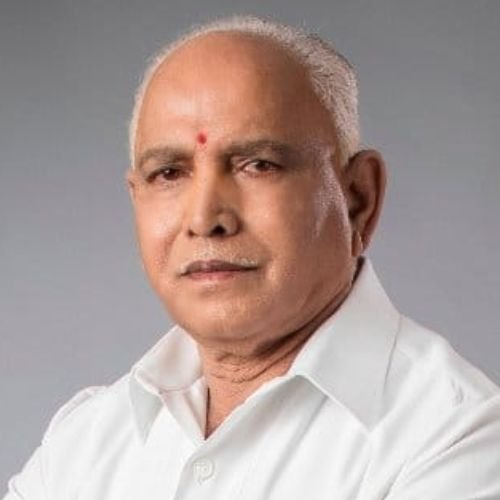
"Any account of Karnataka's political history written without including former Chief Minister Sarekoppa Bangarappa is no history at all; it remains an incomplete story. Following Devaraj Urs, Shri Bangarappa was a leader who truly championed the development of the state's countless backward classes—a politician who lived life with an immense love for humanity.